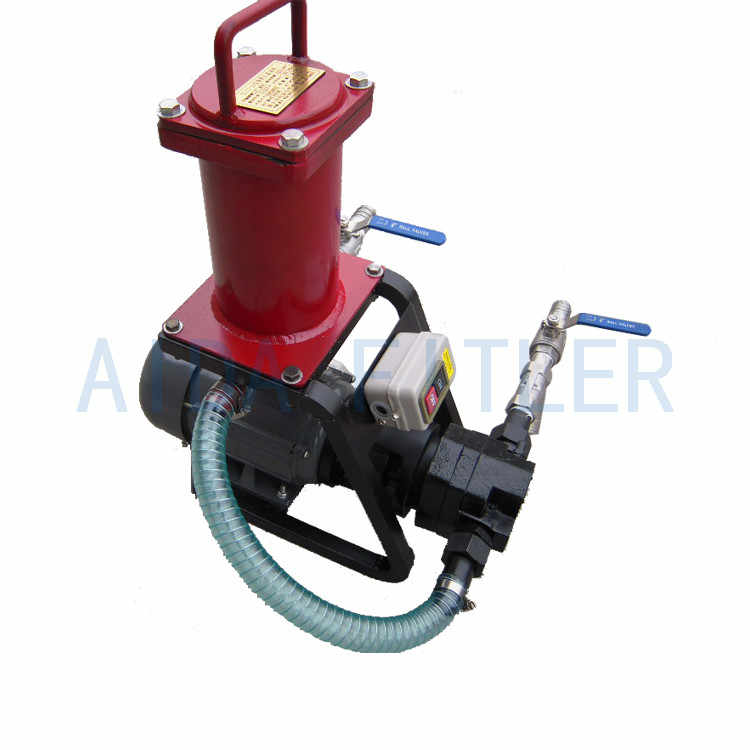
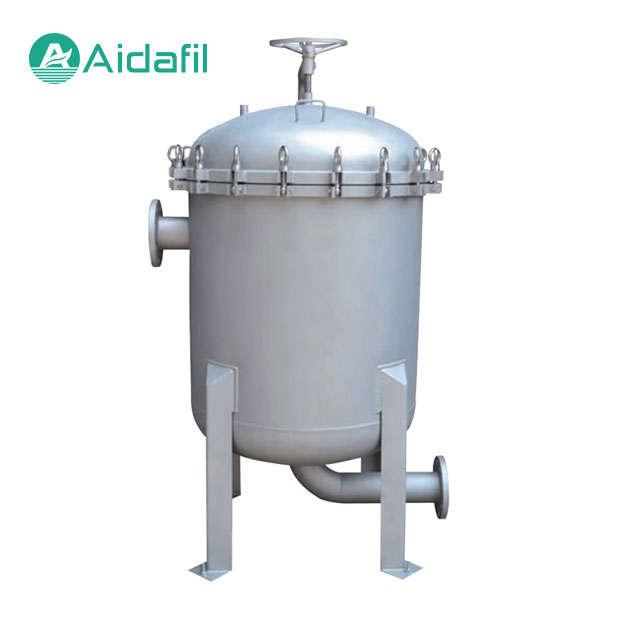
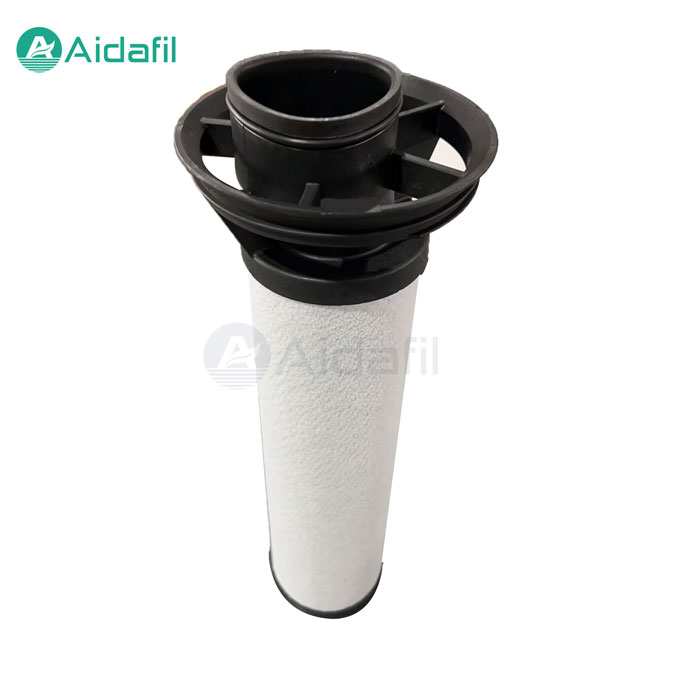
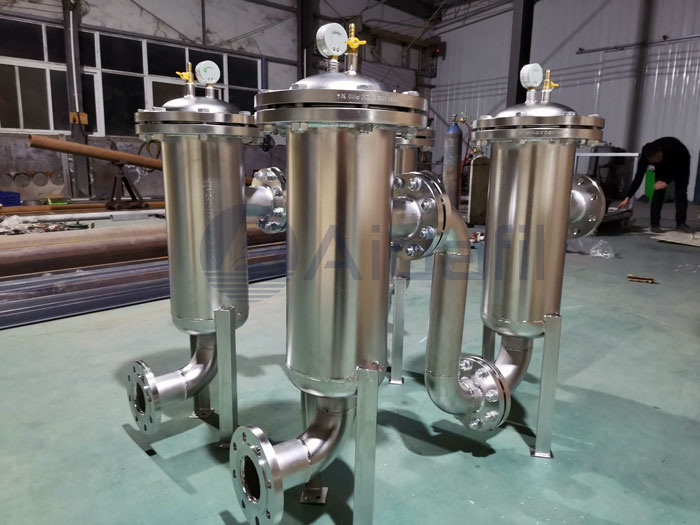
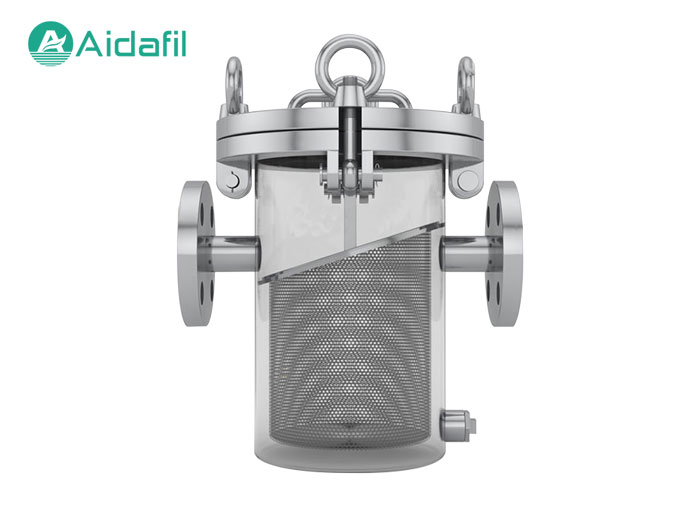
Сопоставьте пылесос с вязкостью масла, содержанием воды, скоростью потока и требуемой чистотой, прежде чем запрашивать цитату.
Введение
Оборудование для очистки масла используется для удаления воды, газа и загрязнения твердых частиц из смазочных, гидравлических, трансформаторных, турбинных и других промышленных масел. Правильный размер и конфигурация машины зависят от самого масла, наличия загрязнения, требуемого уровня чистоты и времени, доступного для лечения.
Слишком маленький очиститель может не достичь требуемого результата в доступном окне обслуживания. Слишком большая машина может увеличить затраты и потребление энергии без улучшения процесса. Правильный выбор начинается с образца масла и четкой цели обработки.
В этом руководстве объясняются основные данные, необходимые для выбора очистителя масла, как думать о скорости потока и времени партии, и какие вопросы конфигурации должны быть подтверждены, прежде чем запрашивать котировки.
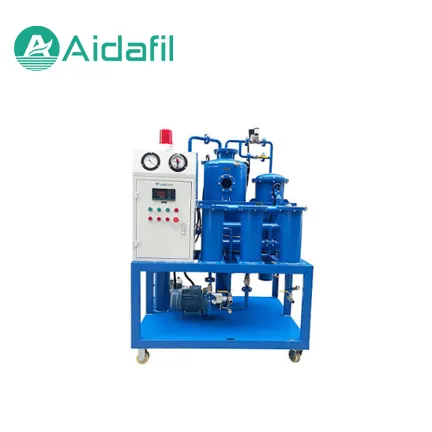
Начнем с типа масла
Различные масла имеют различную вязкость, добавки, окислительное поведение и чувствительность к теплу. Запишите название продукта масла, степень вязкости ISO или вязкость при заданной температуре и приложение. Минеральное гидравлическое масло, компрессорное масло, турбинное масло, трансформаторное масло и синтетические смазочные материалы могут потребовать различных условий обработки.
Не подбирайте оборудование, используя только название масла. Запросите технический отчет и, по возможности, текущий анализ нефти. Подтвердите нормальную рабочую температуру масла и температуру, при которой оно будет обработано.
Обзор нефтяного анализа
An oil analysis helps identify which contaminants need to be removed. Typical results may include water content, particle count, viscosity, acidity, oxidation, flash point, and dielectric strength. For transformer oil, dielectric strength and moisture are especially important.
The treatment target should be stated clearly. Examples include reducing free water, removing dissolved water to a target level, improving particulate cleanliness, or restoring dielectric properties. Different targets may require different vacuum, heating, coalescing, and filtration stages.
If the oil contains a high level of water, emulsified water, or dissolved gas, a simple particulate filter may not be sufficient. Vacuum degassing and dehydration may be needed. If the contamination is mainly particles, a suitable filtration stage may be the primary requirement.
Calculate the Required Flow Rate
Flow rate is not only the machine's nominal capacity. It must be considered together with the volume of oil to be treated and the available processing time.
A practical starting calculation is:
Required flow rate = oil volume to be processed ÷ effective processing time
This is only an estimate. The actual result depends on the initial contamination, target cleanliness, oil viscosity, temperature, vacuum performance, and the number of passes required. For critical equipment, the manufacturer or process engineer should confirm the treatment time.
Consider whether the purifier will operate continuously while the equipment is running or as a batch process during a shutdown. A continuous bypass installation may require a lower flow rate than a batch treatment that must finish within a short maintenance window.
Select the Treatment Stages
An oil purifier may combine several stages:
Coarse filtration for large particles
Heating to reduce viscosity and support dehydration
Vacuum dehydration and degassing
Coalescing or separation for free water
Fine filtration for particulate removal
Optional polishing or adsorption stages
The stages should be selected according to the oil condition and the required result. Adding a stage that is not needed increases complexity and cost. Removing a necessary stage may prevent the machine from reaching the target.
Consider Oil Viscosity and Temperature
Higher-viscosity oil is more difficult to pump and process. Heating may be required, but the maximum temperature must remain within the oil and system limits. Confirm the heater capacity, temperature control, and safety interlocks.
Check the oil's flash point and the supplier's recommended processing temperature. Do not assume that higher temperature always produces a better result. Excessive heat can accelerate oxidation or degrade additives.
Check the Configuration and Installation Requirements
The machine should suit the available space, connections, power supply, and maintenance access. Consider:
Inlet and outlet connection sizes
Mobile or stationary configuration
Flow and pressure requirements
Heater and vacuum pump power
Local voltage and frequency
Required protection for the operating environment
Availability of hoses, valves, and sampling points
Waste-water or gas handling
Operator training and maintenance access
If the purifier will be used in a hazardous area, confirm the required electrical protection with the site engineer. Do not select a standard configuration without reviewing the installation environment.
Define the Acceptance Check
Before delivery or after commissioning, define how performance will be checked. A practical acceptance process may include:
28.Record the initial oil analysis.
29.Record the volume and temperature of the oil.
30.Run the agreed treatment cycle.
31.Sample the oil after the cycle.
32.Compare the result with the agreed target.
33.Record flow, vacuum, temperature, and pressure.
34.Confirm that no leaks or abnormal noise are present.
The test should use representative oil and realistic operating conditions. A bench test with clean oil does not prove that the machine will remove water or gas from the actual process oil.
Common Selection Mistakes
One common mistake is selecting by tank volume alone without considering the required cleanliness and available time. Another is assuming that a particulate filter will remove dissolved water. Some buyers compare only nominal flow rates and ignore viscosity, vacuum, and temperature.
Another risk is treating transformer oil with a machine that is not configured for the required dielectric performance. For critical oils, the treatment target and acceptance test should be agreed before purchase.